


Shenzhen Ruifujie Technology Co.,Ltd: Your Professional Screw Compressor Manufacturer!
Shenzhen Ruifujie Technology Co., Ltd. is a large-scale modern enterprise specializing in R&D, production, and sales of refrigeration products. The company has great advantages in the trading of compressors and refrigeration accessories and has close cooperation with major compressor manufacturers around the world. The company develops and produces scroll, piston, and screw compressors that are exported to all over the world. We have strong technical strength and experience in cold storage, freezing, quick freezing, and flake ice machines, block ice machine production, and sales.
Rich Product Variety
Our company can produce hermetic scroll compressor, hermetic piston compressor, semi-hermetic piston compressor, screw compressor, hermetic air-cooled condensing unit, semi-hermetic air-cooled condensing unit, semi-hermetic water-cooled condensing unit, piston parallel condensing unit, screw condensing unit, air cooled condenser, air cooler, flake ice machine, block ice machine, fresh storage, freezing room, quickly freezer room, large freezer room, and so on.
Quality Guaranteed
We have more than 20 years of experience in the development of compressors and refrigeration accessories. We strictly control product quality and insist on making high-quality products.
Wide Range of Product Uses
Our products are widely used in cold storage, frozen food processing and storage,low-temperature shelf, ice cream machine, showcase, chiller, large integrated air conditioning, laboratory and medical equipment, cold dryer,etc.
Leading Service
We have many years of industry experience and a complete production management, quality supervision, sales service operation system. Whether you want to buy a screw compressor or a hermetic piston compressor, just send your requirements by email and we can customize the product for you.
-

85HP Screw Compressor For Freezer
Brand :Carlyle/Carrier Model number :06NA2146S7EA-A00B3 Style:Semi-hermetic Product name:Screw Compressor Warranty:1 Year Range: 400V-3-50Hz;460V-3-60Hz Refrigerant:R134a
Add to Inquiry -
06NA2209S7EA-A00 Screw Compressor HVAC
Brand:Carlyle/CarrierModel number:06NA2209S7EA-A00Nominal Power:90HPRefrigerant:R134aType:Air Cooled
Add to Inquiry -
06NA2174S7NA-A00 HVAC Screw Compressor
Brand:Carlyle/CarrierModel number:06NA2174S7NA-A00Nominal Power:85HPRefrigerant:R134aType:Air CooledConnection Port:2-5/8Discharge Port:4-1/8
Add to Inquiry -
06NA2146S7NA-A00 Screw Refrigeration Compressor
Brand:Carlyle/CarrierModel number:06NA2146S7NA-A00Nominal Power:75HPRefrigerant:R134aType:Air CooledConnection Port:2-5/8Discharge Port:4-1/8
Add to Inquiry -
Highly-Efficient Screw Compressor For Cold-Room
Brand :Carlyle/Carrier Product name :Compressor Orginal:China Package:wooden case
Add to Inquiry -
Brand New R134a Screw Refrigeration Compressor
Brand :Carlyle/Carrier Product name :Compressor Orginal:China Package:wooden case
Add to Inquiry -
Hot Selling SRC Series SRC-S-413-L4 Screw Compressor For Refcomp
Brand :Refcomp Model number :SRC-S-413-L4 Original:China Voltage:690V 3~ 60Hz Net Weight:774 kg Refrigerant :R407C Displacement:534 m³/h
Add to Inquiry -
140HP Screw Compressor For Bitzer
Brand :Bitzer Model number :CSH8573-140Y-40P Orginal:China Power supply:380-415V-50Hz/440-480V-60Hz Net Weight:870kg Package:Wooden case
Add to Inquiry -
Sw3L Series SW3L-6000 Screw Compressors For Refcomp
Model:SW3L-6000 MOQ:1pcs Phase:3 origin of place:China Voltage(V):400/460 Net weight:410kg
Add to Inquiry -
Screw Compressor CSH For Refrigeration Equipment
Brand :Bitzer Model number :CSH7561-80Y-40P Original:China Power supply:400V-3-50Hz Net Weight:520 kg Refrigerant :R134A Oil Charge: 15.0 dm³ Displacement:227 m³/h
Add to Inquiry -
SPC Series SPC4-19L Semi-Hermetic Screw Compressor For Refcomp
Brand :Refcomp compressor Model number :SPC4-19L Orginal:CN Voltage :400V/3/50hz Oil charge:1.5L Weight [kg]:78
Add to Inquiry -
SRC-S Series SRC-S-885-L4 Semi-Hermetic Screw Compressor For Refcomp
Brand :Refcomp compressor Model number :SRC-S-885-L4 Orginal:CN Voltage :400V/3/50hz,460V/3/60hz; Oil charge:25L Weight [kg]:1400
Add to Inquiry

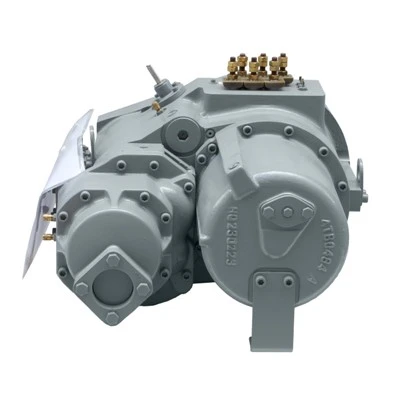

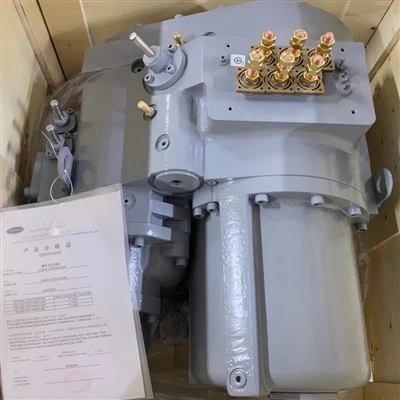


A screw compressor is a type of positive displacement compressor that uses two spiral screws to compress the gas. It uses a positive displacement rotary mechanism for the compression of gas.
What are Advantages of Screw Compressor
High Efficiency and Energy Saving
Compared with other compressors, the exhaust temperature of screw compressors is low, which can better protect the stability of the compressed medium, thereby effectively improving the efficiency of the compressor and reducing energy loss. In addition, the screw compressor operates through the meshing of the twin screws, and the energy conversion of the compressed medium is relatively sufficient, which can better reduce energy consumption and improve the efficiency of the compressor.
Reliable and Stable
The screw compressor has a compact structure, fewer parts, less friction between the compressed medium and the compressor, and relatively less noise and vibration during operation. Therefore, it has higher stability during operation, lower failure rate, and longer service life.
Environmental Protection
Screw compressors can adapt to a wide range of compressed media, which is conducive to reducing energy consumption and emissions, meeting environmental protection requirements, and is also more sustainable.
What are the Applications of Screw Compressor
Air Compression
Screw compressors find extensive use in the field of air compression. They can compress a large volume of air into high-pressure gas, employed in industrial processes for power transmission, pneumatic tools, pneumatic control systems, and more.
Refrigeration and Freezing
Screw compressors are widely applied in the refrigeration and freezing sectors. By compressing the refrigerant into high-temperature, high-pressure gas, followed by cooling and condensing in a condenser, and subsequent expansion through an expansion valve, the refrigeration and freezing objectives are achieved.
Industrial Sector
In the industrial sector, screw compressors play a crucial role. For instance, in industries such as petroleum, chemicals, and power generation, screw compressors are utilized in processes like gas transportation, gas boosting, and gas circulation.
Process of Screw Compressor
Raw Material Procurement
The manufacturing process of screw compressors requires the use of various materials, such as steel, copper, aluminum, etc. These materials need to be purchased through professional channels, and the quality of the materials needs to be confirmed by quality inspection.
Parts Processing
The processing and production link is the core step in manufacturing screw compressors. In this step, the purchased raw materials need to be processed and formed to make various parts, including screws, compression chambers, inlet valves, outlet valves, etc.
Assembly
After the parts are processed, they need to be assembled. Combine the various parts according to the design drawings to form a complete machine. This link needs to be strictly operated in accordance with the specifications to ensure the quality of each component to avoid failures in the later stage.
Debugging
After the assembly is completed, the whole machine needs to be tested and debugged. Run it for a period of time to test the performance indicators of the screw compressor such as output gas flow and compression efficiency to ensure its normal operation. At the same time, adjust and optimize the machine according to the test results.
Components of Screw Compressor


Rotor
The screws of the compressors are also known as rotors. A screw compressor has two rotors (male and female rotors) for the compression of the gas. The male rotor is connected with a shaft. As the shaft rotates, it also rotates the male rotor. The male and female rotors mesh with each other. The movement of these rotors plays an important role during the suction and compression of the gas. As the rotors start rotating, they suck the gas from the outside into the compressor. After suction, they further compress and discharge the gas.
Compression Cylinder
The compression cylinder of the screw compressor plays a vital part in the compression process. As the rotors start rotating, a vacuum is produced inside the cylinder; due to that, air or gas enters the compression cylinder. This cylinder has a decreasing volume from the inlet to the outlet. The male and female rotors rotate inside the cylinder.
Air Filters
The air filter is installed inside the inlet valve of the compressor. It stops air particles, dust, moisture, and other contaminations from entering the compressor. If this filter isn’t installed with the inlet valve, the contaminations may damage the internal parts of the compressor.
Inlet Valve
As the vacuum inside the rotary screw air compressor generates, the compressor sucks the gas through the inlet valve.
Outlet Valve
After increasing the desired pressure of the gas, the compressor uses an outlet valve to discharge the compressed gas.
Motor
An electric motor uses to supply power to the male rotor of the screw compressor. This motor is connected to the male rotor via a crankshaft. As the motor turns on, it turns the shaft which further rotates the male rotor.
Housing
The main objective of the housing is to prevent the internal components from any damage due to the fall of any external load. It acts as a safety guard for the inner parts of the compressor.
Bearings
The bearings are installed on both ends of the rotor. They help in the rotation of the rotor and increase the life cycle of the rotor. The main objective of the bearing is to balance the rotor blade and the rotation of the rotor.
How to Choose Right Screw Compressor

Power and Capacity
One of the most crucial factors to consider while purchasing a screw compressor is its power and capacity. The electrical power and capacity of the compressor should align with your industry’s requirements regarding pressure and air volume.
Quality
A high-quality compressor is typically made of robust, durable materials, offers excellent performance, and has a longer lifespan. Ensure the compressor you choose fulfills quality standards and comes with a warranty.
Maintenance
Compressors with minimal maintenance needs can save time, effort, and costs, as well as enhance the overall efficiency of your operations.
Noise Levels
As screw compressors are used in work settings, you should select a model that keeps the noise levels to a minimum to offer a conducive working environment.
Maintenance Tips for Screw Compressor
Regular Inspections
Regularly inspect and replace worn parts such as filters and separators. Air filters prevent contaminants from entering the compressor, while oil filters and separators ensure clean oil circulation. Replace these components according to the manufacturer’s recommended intervals or sooner if they appear dirty or clogged. Inspect the compressor’s piping, hoses, and fittings for any signs of wear, cracks, or leaks. Replace any damaged parts to prevent air leaks and ensure optimal performance.
Lubrication
Lubrication is essential for the smooth operation of screw compressors. The lubricant reduces friction, prevents wear, and helps dissipate heat. Use the correct type of oil recommended by the manufacturer, as using the wrong oil can lead to damage and void the warranty. Change the oil and oil filters at the intervals specified in the maintenance manual. Regularly check the oil level and top it up if necessary. Monitor the oil’s condition and look for any signs of contamination, such as discoloration or the presence of debris. If the oil appears dirty or degraded, replace it promptly. Proper lubrication not only extends the life of the compressor but also improves its efficiency and performance. Consider using high-quality lubricants specifically designed for screw compressors to ensure optimal performance.
Operational Checks
Perform routine operational checks to ensure settings like pressure and temperature are within normal ranges. Monitor the compressor’s gauges and control panel for any abnormal readings or warning indicators.
FAQ
Q: Why use a screw compressor?
Q: Which oil is used in the screw compressor?
Q: How does a screw compressor work?
Q: What are the disadvantages of screw compressors?
Intermittent Loads: The rotating, continual motion of a screw compressor is perfect for continual use, but it is not ideal for intermittent loads. Stopping and starting a screw compressor regularly can cause issues in some circumstances.
Maintenance: Although maintenance is less frequent for a screw compressor, it can also be more complicated. If something does need to be repaired, this can often result in the need for reassembly and alignment of the screw shaft. Screw compressors require precision performance, and so qualified technicians are preferential for such maintenance work.
Q: What should be paid attention to when installing a screw compressor?
When installing a screw compressor, you need to choose a well-ventilated, dry, dust-free, vibration-free, and corrosion-free site for installation. At the same time, you must also pay attention to preventing noise from affecting the surrounding environment. If you must install it in a residential area, you need to take necessary sound insulation measures.
Foundation design
The foundation must be strong enough to withstand the weight and vibration of the compressor, and prevent problems such as foundation settlement or cracks.
Pipeline system
The layout and installation of the pipeline system must meet the design requirements, and there must be no bending, flattening, or obstruction of airflow. During the installation process, attention should be paid to pipeline balance, and all jacking pipes, hosting pipes, and hanging brackets should be carried out according to the design requirements. The connection method in the gas system should comply with relevant specifications, and quality inspection should be strictly implemented.
Cooling system
The design of the cooling system should be determined according to the use environment and model of the compressor, and should meet the requirements.
Electrical wiring
The electrical wiring of the screw compressor should be installed firmly, the terminal should have good contact, and the cable should meet the relevant standards. Before electrical wiring, it is necessary to determine whether the power supply voltage and frequency meet the electrical requirements of the compressor, and check whether the relays, circuit breakers, protective devices, etc. are installed properly.
Q: Can screw compressors be used in heavy-duty industrial applications?
Q: How do screw compressors contribute to sustainability and energy efficiency?
Q: How to improve the service life of screw compressors?
Replace the filter element: The screw compressor also needs to replace the air filter element and oil filter to ensure that the equipment achieves better performance and long life.
Check the connection: Keep the equipment pipeline connection stable and have good sealing performance, whether in operation or transportation. During regular maintenance, check whether the sealing of each interface, nut and connecting pipe is good.
Check the electronic control system: The electronic control system of the screw compressor plays a vital role in operation. Therefore, maintenance personnel should regularly check the electrical components of the equipment, such as wires, electrical sockets, switches, touch screens, etc., to ensure the normal operation of the equipment.
Regular lubrication: Lubricating the screw compressor can greatly extend its service life. Correct use of lubricants and setting lubrication cycles can reduce wear and friction of the equipment and ensure the normal and efficient operation of the equipment.
Regular spare parts replacement: For some wearing parts, regular spare parts replacement is recommended to reduce the risk of downtime due to damage. Before replacing spare parts, it is necessary to ensure that the new parts meet the standards and regulations with the original parts, and replace them as required.
Q: Why does a screw compressor need lubrication?
Q: Why does the screw compressor need cooling?
Q: How many lubrication methods are there for screw compressors?
Q: How to choose lubricating oil?
Q: What is the reason for the high volumetric efficiency of screw compressors when they are working?
The screw compressor adopts a continuous compression method. This means that during the rotation of the screw, the gas is always in a compressed state, and there will be no intermittent compression and deflation. Compared with the intermittent compression method, the screw compressor can improve the volumetric efficiency while maintaining a relatively high compression ratio, saving energy and reducing emissions. In addition, the speed range of the screw compressor is relatively wide and can be adjusted as needed. When a higher volumetric efficiency is required, a lower speed can be used; when a higher compression ratio is required, a higher speed can be used. This also enables the screw compressor to be adjusted according to different needs and improve its volumetric efficiency.
Q: What factors affect the efficiency of screw compressors?
The blade shape design of the screw compressor has a great influence on the efficiency of the compressor. The blade shape can effectively perform critical transition, gas transfer and compression on the gas.
Inlet and outlet pressure difference
The greater the inlet and outlet pressure difference of the screw compressor, the higher the efficiency. However, excessive inlet and outlet pressure difference can also cause excessive wear and overload of the equipment.
Rotor speed
The rotor speed has a great influence on the efficiency and energy consumption of the screw compressor. Reasonable rotor speed can optimize the efficiency of the screw compressor.
Temperature and humidity
The ambient temperature and humidity will affect the efficiency of the screw compressor. For these changes, the user should adjust the speed and output pressure of the equipment according to the actual situation to achieve the best efficiency.
Q: How to calculate the efficiency of a screw compressor?
Q: What factors affect the exhaust temperature of a screw compressor?
Compressor load rate: The higher the load rate, the higher the exhaust temperature of the compressor.
Q: What is the screw compression ratio?
Q: What is the impact of the compression ratio of the screw compressor on the operation of the machine?
We're professional screw compressor manufacturers and suppliers in China, specialized in providing high quality products with competitive price. We warmly welcome you to buy cheap screw compressor in stock here from our factory.
