


How does the liquid return process of a refrigeration compressor work?
Jan 09, 2023
For the use of expansion valve refrigeration system, back to liquid and expansion valve selection and improper use is closely related. Expansion valve selection is too large, superheat degree setting is too small, incorrect installation method of temperature-sensitive package or broken insulation package, expansion valve failure may cause back liquid. For small refrigeration systems using capillary tubes, the amount of liquid added is too large can cause liquid return.
The use of hot air melting frost system is prone to back liquid. Whether a four-way valve is used for heat pump operation or a hot gas bypass valve is used for refrigeration operation, hot gas frost melting creates a large amount of liquid in the evaporator, which may return to the compressor at the beginning of subsequent refrigeration operations. In addition, the evaporator frost serious or fan failure when the heat transfer becomes poor, the unevaporated liquid will cause back to the liquid. Frequent temperature fluctuations in cold storage can also cause the expansion valve to fail to respond and cause liquid return.
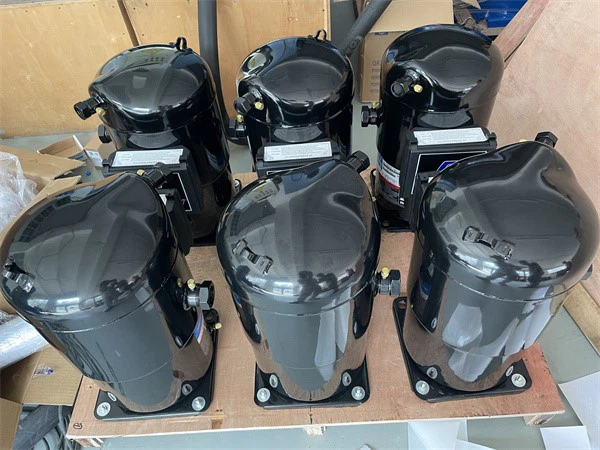
Back to the liquid caused by the liquid strike accident mostly occurs in the air-cooled (referred to as air-cooled or air-cooled) semi-hermetic compressor and single double compressor, because the cylinder of these refrigeration compressors and the return air tube is directly connected, once the liquid back, it is easy to cause a liquid strike accident. Even if it does not cause a liquid attack, the return liquid into the cylinder will dilute or flush out the piston and the lubricant on the cylinder wall, increasing piston wear.
For the return gas (refrigerant vapor) cooling type semi-hermetic and hermetic compressors, the return liquid rarely causes liquid strikes. However, it can dilute the lubricant in the crankcase. Lubricating oil containing large amounts of liquid refrigerant has a low viscosity and does not form an adequate oil film on the friction surfaces, resulting in rapid wear of moving parts. In addition, the refrigerant in the lubricant will boil when exposed to heat during delivery, affecting the proper delivery of the lubricant. And the farther away from the oil pump, the more obvious and serious the problem becomes. If severe wear occurs in the bearings at the motor end, the crankshaft may sink to one side, easily leading to stator sweep and motor burnout.
Obviously, the return fluid will not only cause fluid strikes, but also dilute the lubricant causing wear. Wear when the load and current of the motor will greatly increase, over time will cause motor failure.
For the return of liquid is more difficult to avoid the refrigeration system, the installation of gas-liquid separator and the use of evacuation stop control, can effectively stop or reduce the harm of the return of liquid.


