Industrial Heat Recovery Trends for Bitzer Screw Compressors in High Temperature Systems
Sep 21, 2026
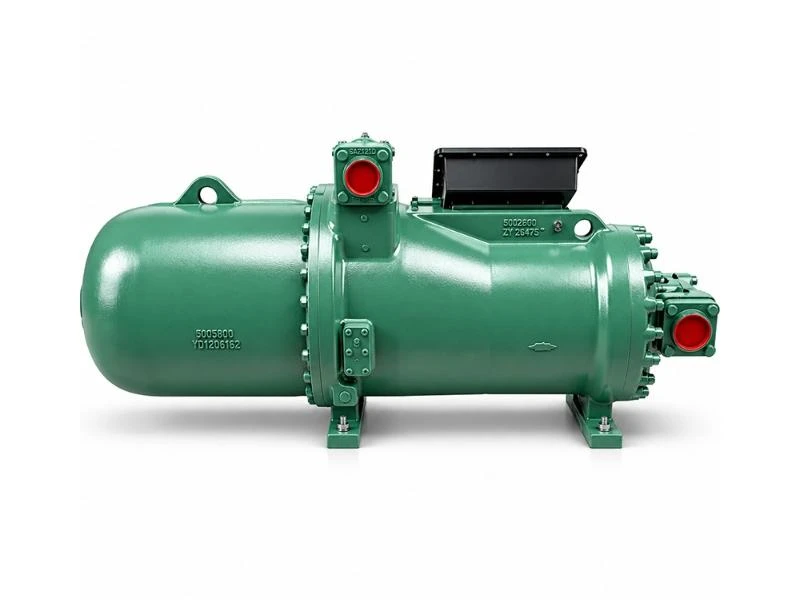
Industrial refrigeration facilities and food processing plants produce substantial thermal waste during daily chilling cycles. Historically rejected through evaporative condensers or cooling towers, this waste heat is increasingly captured using specialized heat pump systems. High temperature twin screw refrigeration compressor models from manufacturer Bitzer are widely integrated into these industrial heat recovery loops, converting low grade waste heat into process hot water up to 80℃ or 90℃.
Mechanical Design and Operating Envelope Expansion
Operating at high condensing temperatures imposes severe mechanical strain on compressor components. High compression ratios elevate discharge gas temperatures and increase axial loads on rotor bearings.
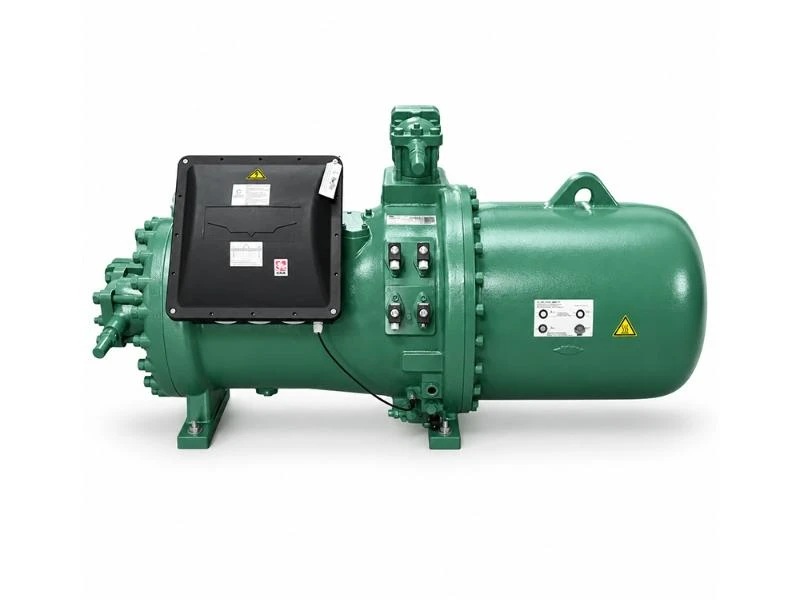
To withstand these thermal condition ranges, Bitzer screw compressors optimized for heat recovery incorporate reinforced rotor geometries, heavy duty axial rolling bearings, and high temperature shaft seals. Additionally, synthetic polyolester lubricants formulated with high thermal stability maintain sufficient oil film thickness along rotor sealing lines, preventing wear during continuous operation at elevated discharge pressures.
Capacity Control and Thermal Load Matching
Thermal loads in industrial heat recovery systems fluctuate based on production schedules and ambient conditions. Bitzer screw compressors utilize internal hydraulic slide valve mechanisms to deliver continuous capacity regulation from 25% to 100% full load.
Stepless capacity control enables precise matching of heat output without frequent cycling. For applications requiring variable volumetric ratios, specialized mechanical volume ratio regulation reduces internal over-compression losses, optimizing seasonal performance across broad operating envelopes.
Oil Management and Operating Safeguards
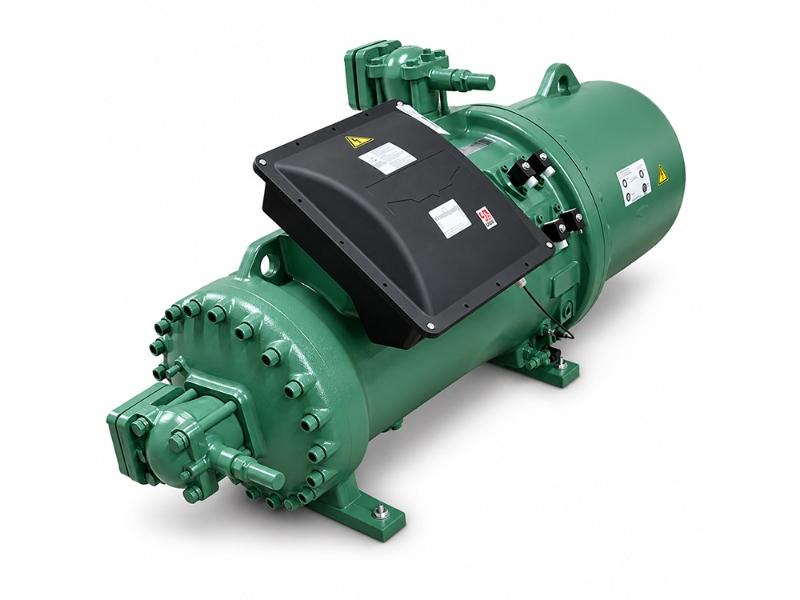
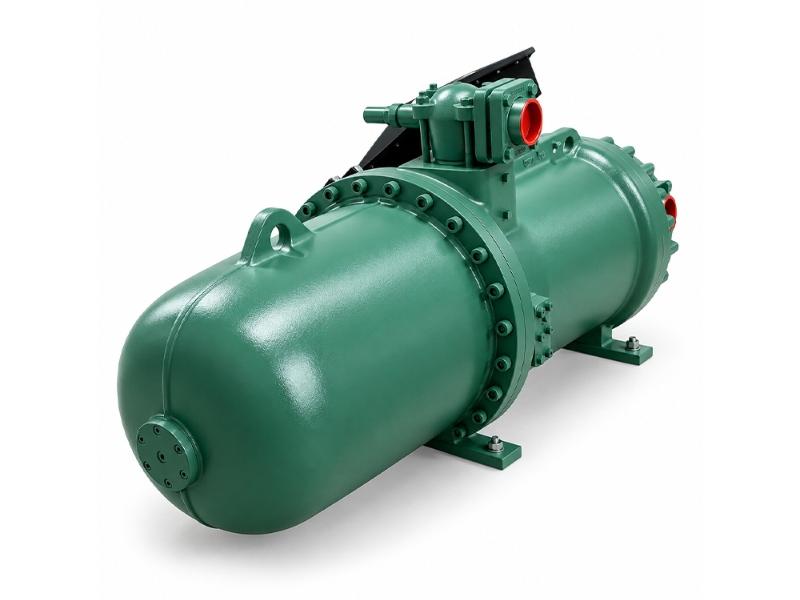
Effective oil separation and thermal control are essential in high temperature heat recovery circuits. External oil separators featuring multi stage coalescing elements maintain oil carryover below 10 ppm/wt.
To manage compressor discharge temperatures, systems incorporate liquid injection valves or external liquid-cooled oil heat exchangers. Maintaining net oil differential pressure above design thresholds protects rotor clearances and prevents bearing degradation.
Routine compressor maintenance must include periodic oil viscosity analysis, total acid number testing, and oil filter differential pressure checks. These preventative protocols ensure operational reliability when integrating heat recovery circuits into existing cold storage and manufacturing facilities.
Conclusion and Energy Efficiency Integration
The integration of Bitzer screw compressors in high temperature heat recovery applications represents a major trend in industrial refrigeration efficiency. By utilizing rejected condenser heat for process heating, industrial operators lower total energy expenditure while reducing environmental footprint. Aligning compressor envelope specifications with heat recovery demands delivers reliable, long term system performance.