Practical Selection and Procurement Tips for Refrigeration Compressors in Cold Storage Projects
May 26, 2026
As the core power equipment of integrated cold storage refrigeration systems, refrigeration compressors determine the fundamental operational stability, energy efficiency and whole-life cycle operating costs of cold storage engineering projects. For investors and engineering contractors engaged in industrial and commercial cold storage construction, parameter-based model selection and standardized procurement specifications are essential to avoid equipment mismatch, operational failures and redundant capital investment.
1. Parameter Matching Based on Cold Storage Operational Attributes
Precise model configuration must be implemented based on core operational parameters of cold storage facilities, including rated operating temperature range, design cooling load and on-site ambient working conditions. For medium and low-temperature cold storage scenarios applied in food preservation and frozen storage, refrigeration compressors shall maintain stable operation within standardized evaporation and condensation temperature boundaries. Accurate parameter matching prevents long-duration overload operation of compressor units and ensures continuous, efficient and standardized output of industrial refrigeration systems.
2. Material and Manufacturing Process Verification
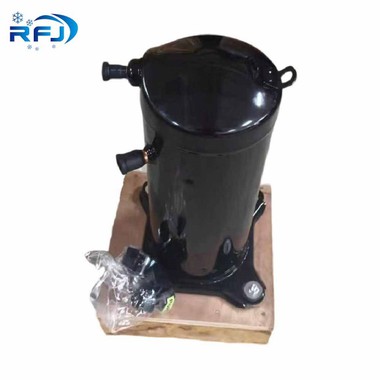
Material specifications and manufacturing craftsmanship constitute core evaluation indicators for refrigeration compressor procurement. High-grade industrial refrigeration compressors adopt integral cast steel cylinder structures and precision-machined internal transmission components, offering superior structural rigidity and operational stability during long-cycle continuous operation. Fitted with high-polymer high-performance sealing assemblies, qualified compressors adapt to frequent temperature variations in cold storage operating environments, effectively mitigating refrigerant leakage risks and extending the overall service life of refrigeration equipment.
3. Type Selection Adaptive to Project Operational Modes
Compressor type selection shall be adapted to the operational mode and load characteristics of cold storage projects. High-power fixed-speed compressors with superior stability are applicable to large-scale constant-temperature cold storage that requires 24-hour uninterrupted operation and steady load output. Conversely, variable-frequency refrigeration compressors are optimized for cold storage facilities with seasonal load fluctuations and dynamic cooling demands. Such equipment enables automatic frequency modulation according to real-time cooling load, substantially improving the overall energy utilization efficiency of cold storage refrigeration systems.
4. System Compatibility and Long-Term Maintainability Assessment
System compatibility and maintainability are critical evaluation dimensions throughout the equipment procurement process. The selected refrigeration compressor must achieve high compatibility with supporting system components such as evaporators and condensers to eliminate system matching deviations and operational anomalies. Furthermore, equipment with standardized manufacturing specifications and complete supporting accessory systems is prioritized, which facilitates standardized daily maintenance and modular component replacement, and effectively reduces the long-term operational and maintenance expenditure of cold storage systems.
In summary, scientific model selection and standardized procurement management of refrigeration compressors are pivotal prerequisites for the stable, efficient and economical operation of cold storage projects. Comprehensive assessment of project temperature parameters, on-site working conditions and equipment manufacturing standards enables industrial users to select optimal, highly compatible and cost-effective refrigeration compressor solutions for industrial refrigeration applications.